44 Million Teachers Needed by 2030: A Challenge or an Opportunity for Global Education?
22nd September 2025

Did you know the world will need 44 million new teachers by 2030 to meet the demand for quality education?
This staggering number reveals both a crisis and an opportunity in global education. As classrooms expand and learning needs diversify, the question arises: where will all these teachers come from?
For expatriates (expats) and Non-Resident Indians (NRIs), this challenge can turn into a career breakthrough. With global certifications such as the Post Graduate Diploma in Education, educators can gain internationally recognized credentials, making it easier to step into high-demand teaching roles worldwide.
In this blog post, we will explore why the world needs so many teachers, the challenges in meeting this demand, and how global certifications can open exciting doors for expats and NRIs.
Understanding the Global Demand for Teachers
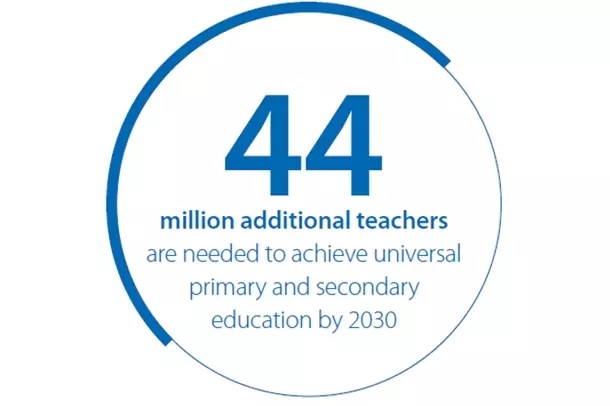
The need for 44 million teachers reflects the scale of the global education challenge. With more children entering schools than ever before, the shortage of qualified educators threatens progress toward universal education.
- In high-income countries, access to schooling is nearly universal, but developing regions like sub-Saharan Africa still face critical shortages.
- One-third of children in low-income areas lack access to classrooms due to the scarcity of trained teachers.
- Without urgent intervention, the shortage could derail international commitments like the UN Sustainable Development Goals (SDGs).
This growing gap makes it essential to not only recruit but also equip educators with global-level competencies.
Key Challenges in Meeting the Shortage
Here are some of the key challenges schools may face while trying to recruit and retain enough teachers. Financial constraints, teacher burnout, and gender inequality remain major obstacles, making it difficult to close the global teacher gap by 2030.
1. Financial Constraints
An estimated $120 billion annually is required to close the financing gap. Limited budgets and competing national priorities often make it difficult to invest adequately in education.
2. Teacher Burnout & Attrition
High workloads, inadequate resources, and insufficient recognition lead to high dropout rates in the profession, intensifying shortages.
3. Gender Inequality
Despite being a female-dominated profession, women often face barriers in leadership roles. This imbalance reduces opportunities for inclusive educational systems.
Addressing these challenges requires systemic reforms, fair pay, supportive policies, and professional growth opportunities.
Why Global Certification is the Key
Global certification like PGET Courses for Teachers, offers a pathway to standardize teaching skills across borders, ensuring that educators are prepared to meet international standards.
- Mobility: Credentials recognized worldwide make it easier for teachers to relocate and work abroad.
- Quality: Certification ensures teachers are equipped with core competencies, improving the overall standard of education.
- Growth: Many global certifications include professional development, enabling educators to keep up with modern pedagogy and digital tools.
For expats and NRIs, global certifications open access to roles that provide competitive pay, cultural exposure, and long-term career stability.
Benefits for Expats & NRIs
What makes this especially exciting for expats and NRIs? With global certification, they can unlock better career mobility, higher salaries, and the chance to explore cultural and professional growth in international education systems.
1. International Career Mobility – Certified educators can move seamlessly across borders to regions where teacher demand is highest.
2. Competitive Salaries & Perks – International teaching often comes with higher pay packages, benefits, and relocation support.
3. Cultural Enrichment – Teaching abroad fosters cultural exchange, broadening both personal and professional perspectives.
4. Policy Support – Countries with severe shortages are easing immigration pathways for certified teachers, creating smoother entry points.
Overcoming Barriers to Teaching Abroad
While opportunities are abundant, aspiring global educators may face hurdles like language barriers, cultural adaptation, and visa restrictions. Global certification programs help address these by offering:
- Language training & cultural orientation
- Support in international teaching methodologies
- Stronger recognition for visa approvals and placements
With the right preparation, these barriers can be minimized, allowing teachers to thrive in new environments.
Final Thoughts
The world’s urgent need for 44 million new teachers by 2030 is both a challenge and an opportunity. For expats and NRIs, pursuing globally recognized programs like the PGET Courses for Teachers, can be the bridge to international career growth while contributing meaningfully to global education.
By embracing fair compensation, gender equality, and innovative teacher training, we can collectively transform teaching into a sustainable, future-ready profession that benefits educators and learners alike.
Frequently Asked Questions (FAQs)
1. Why is there a need for 44 million teachers by 2030?
The world’s student population is growing rapidly, and by 2030, millions of children could be left without proper schooling. To meet the UN’s education goals, about 44 million teachers must be recruited and trained globally.
2. What challenges are schools facing in hiring teachers?
Schools struggle with low funding, heavy workloads, and high dropout rates among teachers. Gender inequality and lack of recognition also discourage many from joining or staying in the profession.
3. How does global certification help teachers?
Global certification sets a universal standard for teaching, making it easier for educators to work across countries. It ensures teachers are equipped with the latest strategies, digital skills, and classroom management techniques.
4. What opportunities do expats and NRIs have in global teaching?
Expats and NRIs with recognized certifications can access high-demand teaching jobs abroad, earn better salaries, and experience cultural exchange. Many countries also simplify immigration for certified teachers.
5. How do PGET Courses for Teachers support international careers?
The Post Graduate Diploma in Education and Teaching (PGET Courses for Teachers) prepares educators with globally relevant skills and certifications. It helps expats and NRIs stand out in international job markets and adapt quickly to diverse classrooms.
Written By: Sanjana Chowdhury