Why Qualifications Alone Are No Longer Enough for Nursery Teachers
11th February 2026
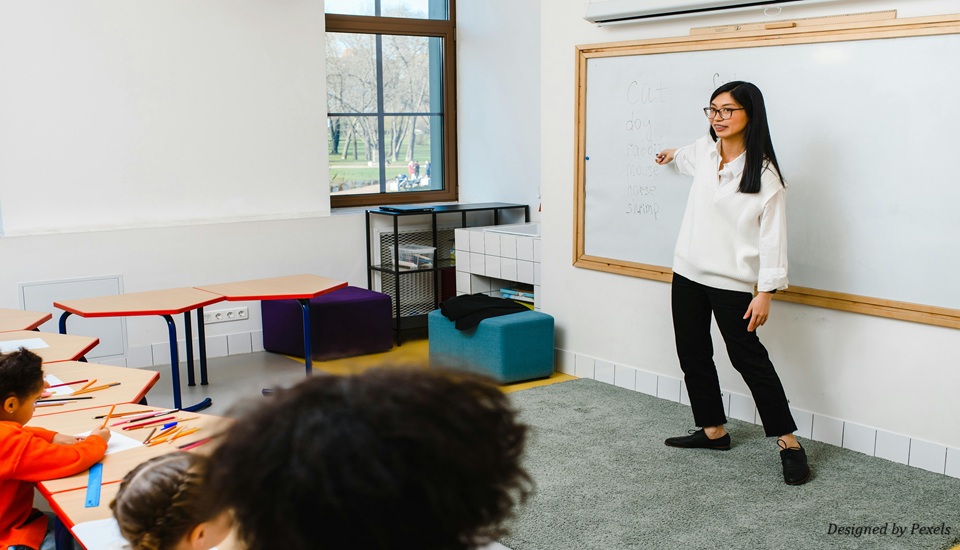
At first glance, many nursery teachers seem perfectly qualified, degrees in hand, certificates listed, and all the right boxes ticked. Yet, inside real nursery classrooms, schools are increasingly saying no to candidates who look great on paper but struggle with the everyday, emotional, and developmental demands of early years education.
As hiring priorities shift, more educators are realizing that practical readiness and child-centred skills matter just as much as formal credentials, which is why many are turning to focused upskilling options like a Diploma in Nursery Teacher Education Course.
In this blog post, we explore what nursery schools are really looking for today and why being “qualified” no longer guarantees getting hired.
The Problem with “Qualification-Only” Hiring
Formal qualifications are important, but they don’t always reflect classroom readiness. Many nursery schools report that some highly qualified candidates struggle with:
- Managing real-time classroom dynamics
- Responding calmly to emotional outbursts
- Supporting children with varied developmental needs
- Engaging parents with empathy and clarity
Early years education is not a theory-heavy environment. It is fast-paced, emotionally demanding, and deeply relational. Schools are learning, sometimes the hard way, that certificates alone don’t guarantee effective early childhood practice.
Why Degrees Don’t Always Translate to Nursery Readiness
Nursery classrooms are fundamentally different from higher grades. Children are still developing basic skills such as emotional regulation, communication, and independence. Teachers must constantly shift roles, from educator to caregiver to emotional anchor.
Some “qualified” teachers:
- Rely heavily on structured lesson plans that don’t suit young learners
- Struggle with flexibility and child-led learning
- Focus more on outcomes than developmental processes
As a result, nurseries are rethinking what truly qualified means in an early years context.
What Nursery Schools Actually Look For Now
Modern nursery schools are redefining what it means to be “hire-ready.” Beyond certificates, they focus on qualities and skills that directly impact children’s daily experiences, safety, and development.
1. Emotional Intelligence and Responsive Interaction
Nursery teachers are expected to manage not just activities, but emotions, both children’s and their own. Schools look for educators who can stay calm during meltdowns, respond gently to distress, and offer reassurance without escalating situations.
Emotional intelligence helps teachers build trust, de-escalate conflicts, and create a secure environment where children feel safe to explore and learn.
2. Strong Understanding of Early Childhood Development
Nursery schools prioritise teachers who understand how children develop socially, emotionally, physically, and cognitively. This includes recognising age-appropriate behaviour and knowing when a child may need additional support.
Instead of pushing academic outcomes too early, schools value educators who respect developmental readiness and adapt expectations to each child’s stage.
3. Practical, Hands-On Classroom Experience
Real classroom experience matters more than theory alone. Nursery leaders prefer educators who know how to manage routines like arrival transitions, toileting support, snack time, and group activities smoothly.
Teachers who can multitask, anticipate challenges, and respond instinctively to classroom needs are far more effective in early years settings.
4. Ability to Support Diverse Learning and Developmental Needs
Inclusive practice is now a core requirement. Nursery schools look for teachers who can support children with speech delays, sensory sensitivities, attention challenges, or early signs of developmental differences, without panic or rigid responses.
Educators who adapt activities, observe carefully, and collaborate with specialists are highly valued in today’s nurseries.
5. Clear and Empathetic Communication with Parents
Nursery teachers work closely with families, often being the first point of contact for developmental concerns. Schools seek educators who can communicate observations clearly, sensitively, and without alarm.
Strong parent communication builds trust and ensures consistency between home and school, something nurseries consider essential for child wellbeing.
6. Flexibility and Willingness to Adapt
Early years classrooms rarely follow a fixed plan. Nursery schools want teachers who can adjust activities, pacing, and expectations based on children’s moods, interests, and energy levels.
Flexibility allows learning to remain child-centred rather than schedule-driven, which is critical in nursery education.
7. Observation and Reflective Practice Skills
Observation is a foundational skill in early childhood education. Nursery schools value teachers who can notice subtle changes in behaviour, engagement, or interaction and reflect on what those changes mean.
Reflective educators continuously adjust their approach, improving outcomes for children rather than repeating ineffective strategies.
8. Commitment to Continuous Learning
Nursery education evolves constantly. Schools look for educators who are open to learning, whether through training, mentoring, or self-reflection.
A willingness to grow professionally signals long-term value and alignment with the nursery’s educational philosophy.
Why Soft Skills Are Replacing Paper Credentials
Early childhood education depends heavily on how a teacher shows up each day. Nurseries increasingly value:
- Calm presence
- Adaptability
- Observation skills
- Reflective practice
- Willingness to learn
These qualities are not always measured by degrees, but they directly affect classroom harmony and child wellbeing.
The Rise of Skill-Based Hiring in Early Years Education
Many nursery schools now include:
- Trial classroom sessions
- Observation-based interviews
- Scenario questions
- Emotional response assessments
This shift reflects a broader industry realisation: children thrive with educators who are responsive, grounded, and developmentally aware—not just academically certified.
What This Means for Aspiring Nursery Teachers
For educators, this trend is not discouraging, it’s clarifying. Success in nursery education now depends on:
- Continuous professional learning
- Practical exposure to early years environments
- Understanding inclusive and developmental needs
- Reflecting on one’s teaching approach
Teachers who align their skills with real classroom expectations are far more likely to succeed than those relying solely on formal titles.
Rethinking the Definition of “Qualified”
In early childhood education, being “qualified” now means:
- Prepared for emotional complexity
- Skilled in observation and response
- Committed to child-centred learning
- Ready to grow alongside children
This broader definition better reflects the realities of nursery classrooms today.
Final Thoughts
Nursery classrooms don’t need teachers who look perfect on paper, they need educators who can listen, adapt, and respond in real time. Today’s nursery schools are choosing professionals who understand child development, manage emotions with empathy, support diverse needs confidently, and work in true partnership with families.
In short, they’re looking for teachers who are ready for the reality of early years education, not just the theory.
As the early years sector continues to evolve, educators who focus on practical understanding and reflective classroom practice are the ones who truly stand out. More teachers are beginning to rethink what being “qualified” really means and are realising that the right professional learning, such as a Diploma in Nursery Teacher Training course, can help bridge the gap between theory and the everyday realities of nursery classrooms.
Frequently Asked Questions (FAQ)
1. Why are nursery schools rejecting qualified teachers?
Many qualified teachers lack practical early years skills, emotional responsiveness, or real classroom readiness needed in nursery settings.
2. Does qualification still matter in nursery teaching?
Yes, but nurseries now prioritise practical skills, child development understanding, and emotional intelligence alongside qualifications.
3. What skills do nursery schools value most today?
Emotional intelligence, adaptability, hands-on experience, inclusive practices, and strong communication with parents are highly valued.
4. Is classroom experience more important than degrees?
In many cases, yes. Practical experience often demonstrates readiness better than academic credentials alone.
5. Are nursery schools focusing more on soft skills now?
Absolutely. Soft skills directly impact child wellbeing, classroom harmony, and parent trust.
6. How do nursery schools assess teachers during hiring?
Many use classroom trials, observation tasks, scenario questions, and behaviour-based interviews.
7. What makes a teacher successful in a nursery classroom?
Patience, emotional awareness, flexibility, observation skills, and a child-centred approach.
8. Can teachers improve their chances of getting hired by nurseries?
Yes. Focusing on practical training, reflective practice, and early childhood development improves employability.
9. Are nurseries moving away from academic teaching?
Nurseries focus more on developmental readiness and holistic growth rather than early academic pressure.
10. What should aspiring nursery teachers focus on now?
Building real classroom skills, understanding child development, and developing strong interpersonal abilities.
Written By: Rimpa Ghosh