What Skills Do Schools Look for Today? How a Bachelor's Degree in Education Builds Them
6th March 2026
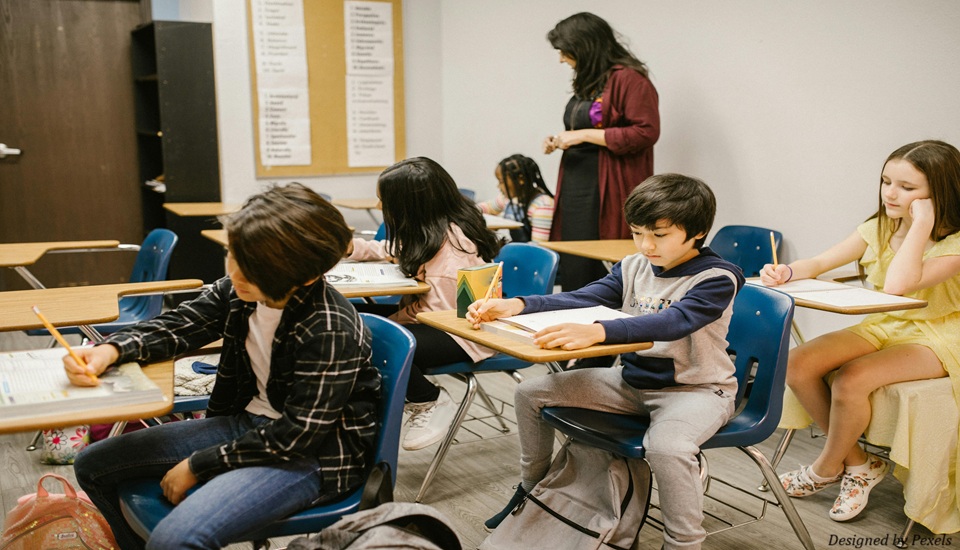
In today’s evolving academic landscape, schools are looking beyond traditional teaching credentials. They want educators who are adaptable, tech-savvy, emotionally intelligent, and prepared for modern classrooms.
In today’s world, programs like a Bachelor's Degree Programs in Education equips aspiring teachers with exactly these high-demand skills, combining pedagogy, practical experience, and leadership training to meet today’s hiring expectations.
If you're considering a teaching career, understanding what schools truly value can give you a competitive edge.
Let’s explore the essential skills schools look for and how a bachelor’s degree in education helps you build them.
Why Schools Are Raising Their Hiring Standards
Education today is more dynamic than ever. Classrooms are diverse. Technology is integrated. Parents are more involved. Learning standards are evolving.
As a result, schools now prioritize teachers who can:
- Engage diverse learners
- Integrate digital tools effectively
- Foster inclusive environments
- Communicate with clarity and empathy
- Lead with professionalism and confidence
A structured degree program ensures these competencies are developed intentionally, not accidentally.
7 Key Skills Schools Value and How a Bachelor’s Degree Develops Them
Modern schools look for educators who combine subject expertise with practical classroom skills, adaptability, and professional confidence. Let’s get to know how a well-structured bachelor’s degree in education program systematically develops these competencies, ensuring graduates are fully prepared to meet today’s evolving academic expectations.
1. Classroom Management and Student Engagement
What Schools Value:
Schools prioritise teachers who can create structured, respectful, and engaging classrooms. Effective classroom management ensures students remain focused, motivated, and emotionally secure.
How a Bachelor’s Degree Develops It:
Bachelor’s Degree Programs in Education include modules on child psychology, behaviour management strategies, and instructional planning. Through teaching practice and supervised training, future educators learn how to maintain discipline positively, encourage participation, and build inclusive classroom cultures that support learning outcomes.
2. Strong Communication and Interpersonal Skills
What Schools Value:
Teaching extends beyond delivering lessons. Schools seek educators who can communicate clearly with students, collaborate with colleagues, and build trust with parents and guardians.
How a Bachelor’s Degree Develops It:
An Online Bachelor's Degree in Education strengthens verbal, written, and professional communication skills through presentations, peer collaboration, and reflective assignments. Practical exposure ensures graduates are confident in parent-teacher meetings, staff discussions, and student mentoring conversations.
3. Technology Integration and Digital Literacy
What Schools Value:
With digital classrooms becoming the norm, schools prefer teachers who can confidently use educational technology to enhance learning experiences.
How a Bachelor’s Degree Develops It:
Modern Bachelor’s Degree Programs in Education train students in digital lesson planning, virtual teaching tools, online assessments, and learning management systems. Online learning formats further strengthen technological adaptability, preparing graduates for hybrid and remote teaching environments.
4. Adaptability and Problem-Solving Skills
What Schools Value:
Education is dynamic. Teachers must adapt to curriculum updates, diverse student needs, and unexpected classroom challenges.
How a Bachelor’s Degree Develops It:
Through case studies, classroom simulations, and real-world teaching practice, students learn critical thinking and flexible instructional strategies. They are trained to modify lesson plans, differentiate instruction, and respond constructively to evolving academic requirements.
5. Cultural Competence and Inclusive Teaching
What Schools Value:
Today’s classrooms are culturally diverse. Schools actively seek educators who respect differences and foster inclusive learning spaces.
How a Bachelor’s Degree Develops It:
Education programmes include coursework in inclusive pedagogy, multicultural education, and special education foundations. Graduates understand how to support learners from varied backgrounds, accommodate different learning styles, and promote equity within the classroom.
6. Leadership and Professional Ethics
What Schools Value:
Schools look for educators who demonstrate responsibility, initiative, and long-term commitment to the profession. Leadership potential is a major advantage.
How a Bachelor’s Degree Develops It:
Bachelor’s Degree Programs in Education introduce students to educational leadership principles, school governance, and ethical standards. Collaborative projects and practicum experiences cultivate professionalism, accountability, and confidence — qualities that hiring committees highly appreciate.
7. Assessment Literacy and Data-Driven Instruction
What Schools Value:
Effective teaching today relies on measurable learning outcomes. Schools expect teachers to analyse student progress and adapt instruction accordingly.
How a Bachelor’s Degree Develops It:
Students learn to design assessments, interpret performance data, and implement evidence-based teaching strategies. This analytical approach ensures graduates can track progress, identify learning gaps, and continuously improve instructional effectiveness.
Why Employers Prefer Candidates with Structured Education Degrees
While passion for teaching is important, schools prioritize candidates who combine enthusiasm with formal training.
An accredited Online Bachelor's Degree in Education ensures:
- Pedagogical foundation
- Hands-on teaching experience
- Licensing preparation
- Skill-based training aligned with hiring standards
Structured learning reduces the gap between graduation and job readiness.
Career Advantages of a Bachelor’s Degree
Graduates of Bachelor’s Degree by pursuing courses like Bachelor’s Degree Programs in Education often benefit from:
- Greater employability
- Faster career placement
- Eligibility for certification
- Higher earning potential compared to non-certified candidates
- Opportunities for advancement into leadership roles
It’s not just about getting a degree, it’s about building a professional foundation.
Final Thoughts
Schools today seek more than subject knowledge, they look for adaptable, tech-ready, inclusive, and confident educators who can thrive in modern classrooms. An Online Bachelor's Degree in Education equips aspiring teachers with the classroom management skills, communication abilities, technological proficiency, and leadership mindset that hiring committees prioritize.
If you're serious about entering the education field and standing out in competitive hiring processes, investing in a structured bachelor’s program is one of the smartest steps you can take.
Frequently Asked Questions (FAQs)
1. What skills do schools look for when hiring teachers?
Schools prioritise classroom management, communication skills, digital literacy, adaptability, cultural competence, leadership, and assessment expertise when hiring educators.
2. Is an Online Bachelor's Degree in Education respected by employers?
Yes. Accredited Online Bachelor's Degree in Education programs are widely recognised and valued by schools, especially when they include practical training and teaching experience.
3. How do Bachelor’s Degree Programs in Education prepare future teachers?
Bachelor’s Degree Programs in Education combine theoretical foundations with classroom practice, helping graduates develop instructional strategies, technology skills, and professional confidence.
4. Can a bachelor’s degree improve teaching career prospects?
Yes. A structured education degree enhances employability, qualifies candidates for certification, and increases opportunities for career advancement in schools and academic institutions.
5. Why is technology training important in teacher education?
Modern classrooms rely on digital tools for instruction and assessment. Teachers trained in educational technology are better prepared for hybrid and online learning environments.
Written By: Sanjana Chowdhury