Understanding The Types Of Learning Challenges And Their Characteristics
10th August 2024

In the field of education, having a thorough understanding of the learning challenges faced by students is essential for providing effective instruction and meaningful support. Every child learns differently, and educators must be able to identify and address the challenges of learning that may hinder academic progress. Read on to explore the various types of problem learners, their characteristics, and how teachers can better meet the diverse needs of students in today’s classrooms.
What Do You Understand by Learning Disabilities?
The term learning challenges refers to a broad range of difficulties that students may encounter while trying to understand, process, or retain information. These challenges of learning can manifest in different ways, affecting not only academic performance but also confidence, motivation, and overall classroom engagement.
Some students struggle with focus, memory, or processing speed, while others face difficulties with reading, writing, or mathematical reasoning. Each learning challenge requires specific strategies and targeted interventions to help students reach their full potential.
What Are the Various Types of Learning Challenges?
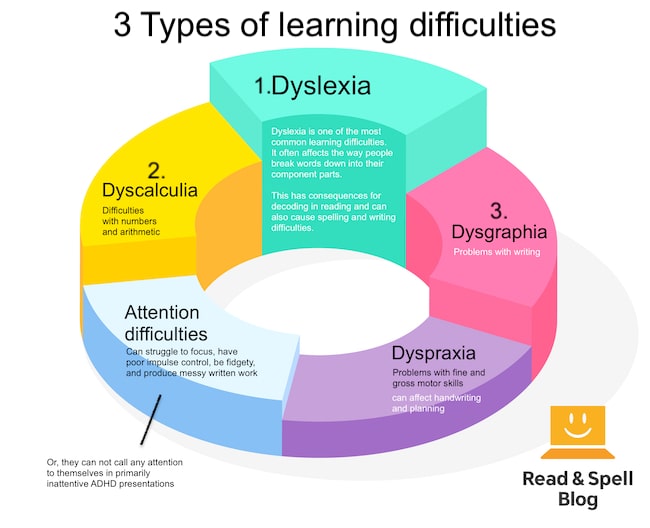
Below are some of the most common learning challenges faced by students that teachers may encounter in the classroom:
Dyslexia
Dyslexia is one of the most widely recognized learning difficulties and primarily affects reading skills. Despite having average or above-average intelligence, students with dyslexia may struggle with reading fluency, spelling, word recognition, and decoding.
Dysgraphia
Dysgraphia is a learning challenge related to writing. Students may have difficulty with handwriting, spelling, sentence structure, and organizing their thoughts clearly on paper.
Dyscalculia
Students with dyscalculia often find it challenging to understand numbers and mathematical concepts. Tasks involving calculations, time management, and numerical reasoning can be particularly difficult for them.
Attention Deficit Hyperactivity Disorder (ADHD)
ADHD affects a student’s ability to focus, regulate impulses, and remain organized. This condition can make following instructions, completing tasks, and sustaining attention especially challenging in a structured classroom environment.
Before we move ahead, can we ask you a quick question?
A Few Characteristics of Learning Disabilities
Learning disabilities are neurological conditions that affect how individuals receive, process, store, and respond to information. These challenges of learning are often lifelong and can significantly impact both academic performance and daily functioning.
Some common characteristics include:
Slow Processing Speed
Students may take longer to understand and respond to information, which can affect classroom participation and social interactions.
Memory Problems
Difficulties with short-term or long-term memory can make retaining instructions, lessons, or previously learned concepts challenging.
Poor Organizational Skills
Students may struggle to organize ideas, manage time, or keep track of assignments and learning materials, making task completion more difficult.
Recognizing these characteristics allows educators to implement accommodations and personalized learning approaches that help students thrive.
How to Address Learning Challenges in Education
If you are a teacher facing difficulties in supporting students with learning needs, here are some effective strategies you can adopt:
1. Effective Teaching Strategies
Personalized learning plans, early identification, and targeted interventions are crucial for addressing learning challenges faced by students. Using assistive technologies, multimodal teaching methods, and creating an inclusive classroom environment can significantly improve learning outcomes.
2. Proper Understanding of Learners’ Needs
Understanding the different types of problem learners enables educators to adapt teaching methods and provide appropriate support. When teachers recognize individual strengths and limitations, they can foster a more encouraging and inclusive learning environment.
3. Specialized Training Courses
Teachers can better support students by enrolling in specialized professional development programs. Training courses focused on learning disabilities equip educators with practical strategies, intervention techniques, and classroom management skills tailored to diverse learning needs.
Leverage Training for Learning
Educators who pursue online learning disability courses can make a meaningful difference in the lives of students facing learning challenges. With the right knowledge and skills, teachers can ensure students receive the guidance, encouragement, and academic support they need to succeed in school and beyond.
Frequently Asked Questions (FAQs)
1. What are learning challenges faced by students?
Learning challenges are difficulties that affect how students process, understand, or retain information, impacting academic performance and classroom engagement.
2. Are learning challenges the same as learning disabilities?
Not always. Learning challenges can be temporary or situational, while learning disabilities are neurological and often lifelong.
3. What are the most common challenges of learning in classrooms?
Common challenges include difficulties with reading, writing, math, attention, memory, and information processing.
4. What are the main types of problems learners teachers may encounter?
Teachers may work with students who have dyslexia, dysgraphia, dyscalculia, ADHD, or challenges related to processing speed and organization.
5. How can teachers identify learning challenges early?
Early signs include inconsistent academic performance, difficulty following instructions, poor concentration, or struggles with basic skills.
6. Can learning challenges be managed in regular classrooms?
Yes. With inclusive teaching strategies, accommodations, and supportive learning environments, many students thrive in mainstream classrooms.
7. What role do teaching strategies play in addressing learning challenges?
Effective strategies such as differentiated instruction, multimodal teaching, and assistive tools help meet diverse learner needs.
8. Why is teacher training important for supporting problem learners?
Specialised training equips teachers with the skills and confidence to identify challenges and apply appropriate interventions.
9. Do learning challenges affect a child’s intelligence?
No. Most students with learning challenges have average or above-average intelligence.
10. Can students with learning challenges succeed academically?
Absolutely. With the right support, understanding, and teaching approaches, students with learning challenges can achieve academic success.
Written By: Sheetal Sharma